
Traditional International Transport Services
Global route capability
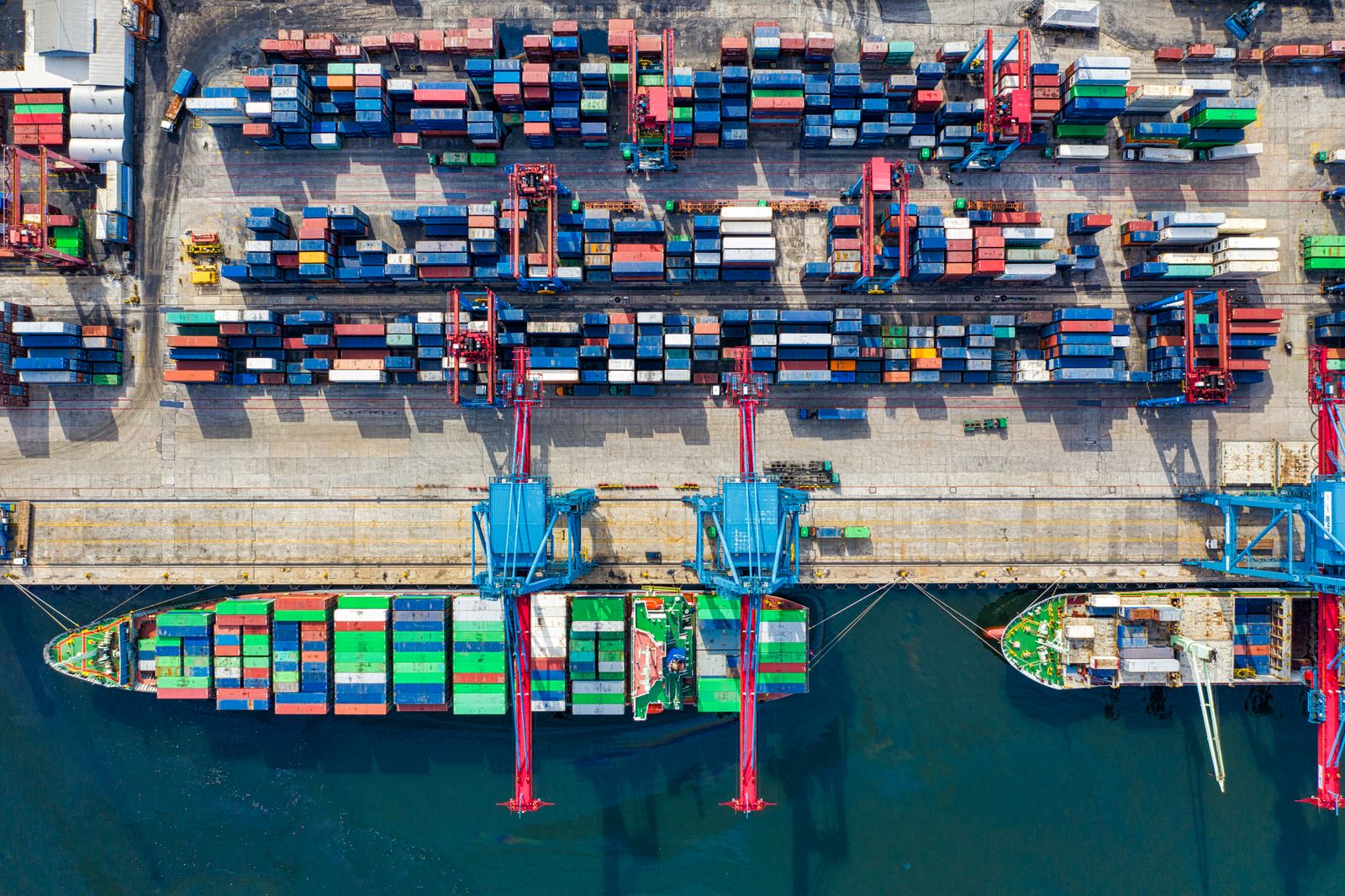
Traditional international transportation is the foundation of cross-border supply chains. It covers ocean freight, land transport, air freight, and multimodal connections, supporting general trade cargo, production materials, equipment, replenishment shipments, and project-based cargo flows.
Route planning starts from cargo attributes, delivery timing, destination requirements, customs documents, transport cost, and risk tolerance. A suitable plan may use one transport mode or combine several modes to balance speed, stability, and cost.
Ocean, land, and air coordination
Ocean freight is suitable for bulkier and cost-sensitive cargo, especially regular FCL and LCL shipments. Air freight is better for urgent replenishment, samples, high-value goods, and time-sensitive orders. Land transport connects factories, warehouses, ports, border points, and final delivery nodes.
When multiple transport modes are involved, the key is not only booking space, but also aligning trucking, port handover, departure schedules, transfer windows, arrival plans, and destination-side pickup. Good coordination reduces waiting time and keeps the cargo path clear.
Operational process
Typical work includes cargo information confirmation, quotation and route comparison, booking, pickup or delivery to warehouse, document review, customs declaration coordination, cargo loading, departure follow-up, arrival notice, destination handover, and delivery milestone tracking.
For recurring shipments, route data and operation experience can be accumulated over time. This improves schedule forecasting, cost control, document preparation, and response speed when there are vessel delays, space changes, customs questions, or destination-side adjustments.
Applicable scenarios
This service is suitable for manufacturers, trading companies, project suppliers, cross-border sellers, and customers with regular international shipments. It is especially useful when stable transport resources, flexible routing, and one coordinated workflow are needed.
For complex cargo, the plan can be adjusted around loading limits, transit ports, consignee requirements, customs rules, and delivery appointments, helping cargo move through each stage with fewer interruptions.
Service scope
Service scope can include FCL, LCL, air freight, domestic trucking, inland transfer, warehouse handover, export declaration coordination, transshipment planning, cargo tracking, destination agent connection, and delivery follow-up.